Expanding Use of Aluminum Cables in Solar Power Plants: Key Differences From Copper and How to Choose
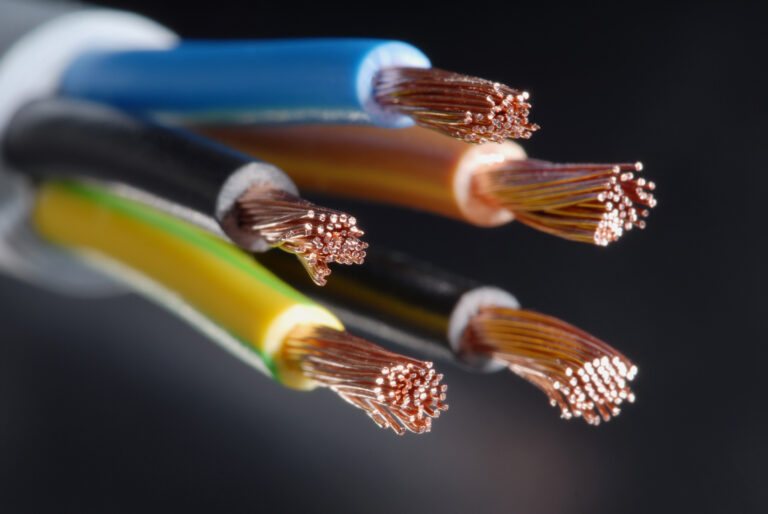
Cable expenses represent a significant portion of equipment costs at solar power plants. Conventionally, copper cables have been the industry standard, but their adoption now presents challenges due to rising initial and operational costs caused by global price hikes and supply concerns.
Against this backdrop, aluminum cables are gaining attention as a practical alternative. They are lighter, easier to install, and less expensive in terms of material cost, leading to rapid adoption across solar projects.
This article explains the differences and characteristics of copper and aluminum cables, their respective benefits, key considerations and important checkpoints for selecting the optimal cable type to balance cost efficiency and long-term operational stability.
Aluminum Cables Gain Attention at Solar Power Plants
Driven by soaring copper prices, the adoption of aluminum cables is accelerating in the solar sector. Here, we explain the reasons and background for this growing attention.
1-1. Soaring Copper Prices and Procurement Difficulties
One major factor driving up the construction and operation costs of solar power plants is cable expenses. Copper cables, the long-standing standard, have become an increasing financial burden due to recent global soaring copper prices.
Copper trading prices on the London Metal Exchange (LME) have maintained an upward trend in recent years, driven by increased demand from the global shift to electric vehicles and infrastructure investment, as well as supply constraints in certain regions.
By contrast, aluminum costs only about 30% of copper, making it an attractive way to reduce material costs. For solar plants that require hundreds of meters of cabling, this cost difference can have a major impact on the total project budget — hence the rapid rise in aluminum cable adoption.
1-2. Reasons for Growing Adoption in the Energy Sector, Including Solar
The reasons for the growing adoption of aluminum cables in the energy sector go beyond simple cost savings.
Aluminum is 30%-40% lighter than copper, which reduces the load during transportation and installation. This contributes to improved installation efficiency, especially at large-scale solar power plants and wind farms.
Furthermore, aluminum cables meet established conductivity and safety standards. When appropriately designed and installed, they can offer reliability comparable to copper. In recent years, many manufacturers have developed solar-specific aluminum cable products, and they are increasingly being adopted as a standard design specification.
Environmental sustainability is another reason for their popularity. Aluminum production — especially with recycled materials — requires less energy and yields lower environmental impact compared to copper mining and smelting. As a result, aluminum cables support both cost efficiency and decarbonization goals, aligning well with SDGs and renewable energy initiatives.
1-3. Growing Market Adoption
According to various reports, aluminum cable sales are increasing in Japan as well. More solar plants and large-scale solar (mega-solar) facilities are adopting aluminum for main transmission and wiring routes, and “hybrid configurations” that replace certain sections with aluminum are also becoming common.
Additionally, the standardization of termination processes and connection terminals compatible with aluminum cables has progressed, making them easier to handle than before. As a result, aluminum cable is transitioning from a “cost-saving option” to a “practical standard material.”
Benefits of Aluminum Cable Compared to Copper Cable
Aluminum cable offers multiple advantages not only in price but also in design, installation, and risk management. This section introduces the main benefits compared to copper cable.
2-1. Lightweight and Easy to Install
Aluminum’s specific gravity is about one-third that of copper, making it significantly lighter, even if a thicker wire diameter is needed to ensure the same conductivity.
This lightness makes handling and routing easier on-site, reducing labor strain and shortening construction time. For solar plants requiring long-distance wiring or built on slopes, aluminum cables can reduce construction periods and transport costs while minimizing load on cable racks and supports—enhancing long-term system stability.
2-2. Lower Material Cost
Copper and aluminum differ dramatically in trading price—typically three to four times per ton on the LME.
As of October 2025, copper was trading around USD 10,000/t, while aluminum was roughly USD 2,700/t.
Given the large cable volumes in solar plants, this difference can result in hundreds of thousands to millions of yen in cost savings. Furthermore, tightening global copper supply conditions make aluminum a viable risk-diversification strategy for procurement.
Aluminum cable is a strong option for optimizing renewable energy equipment costs, offering both cost performance and supply stability.
Shizen Engineering Inc., which handles the Engineering, Procurement and Construction (EPC) business for Shizen Energy Group, has a track record of proposing and implementing aluminum cable installation in multiple solar projects to reduce total project costs.
However, termination processing and conversion work may incur higher costs compared to copper. This point is detailed in Section 4-2. Separate Evaluation of Initial and Long-Term Costs.
2-3. Lower Theft Risk
Copper cable theft remains a serious and persistent problem at construction sites and solar power facilities due to its high resale value. In Japan, cable theft from operational solar plants has recently become a social issue. Such theft not only results in material loss but also disrupts operations and electricity sales revenue.
Aluminum cable, on the other hand, has the distinct advantage of lower theft risk for two main reasons:
2-3-1. Price Difference
LME indicators show copper trading at three to four times the price of aluminum. This price difference directly translates to their value as metal scrap, making aluminum a less attractive target for theft intended for resale. The low value per mass of aluminum acts as a deterrent.
2-3-2. Material Characteristics
Another reason lies in differences in appearance and handling. Copper’s distinct reddish-brown color makes it easy to identify, while aluminum’s silvery-white appearance offers less visual cue of value. Aluminum’s lower flexibility and bulk also make it harder to cut and remove in long sections, raising the practical “cost” of theft.
Key Considerations When Using Aluminum Cables
While aluminum cables provide many benefits, their physical and chemical properties differ from copper, requiring careful attention during design and installation.
The following summarizes key practical considerations, especially for solar plants.
3-1. Lower Conductivity Requires Thicker Cable Diameters
Aluminum’s conductivity is about 60% that of copper, meaning a thicker cable diameter is required to carry the same electrical current. Therefore, it is necessary to design the wiring route after considering the voltage drop and heat generation risks, and ensuring an adequate conductor size.
However, recent developments in high-conductivity aluminum materials and solar-optimized cable structures have been gradually closing the gap with copper. Selecting the right product can sufficiently resolve issues related to electrical performance.
3-2. Termination and Conversion Work Required When Switching From Copper
Replacing copper cables with aluminum requires specialized terminals and proper termination work. Connecting copper and aluminum directly can cause galvanic (bimetallic) corrosion, so insulated connectors and terminals specifically designed for aluminum must be used. Furthermore, some connection equipment may not have aluminum-compatible terminals, in which case additional conversion work is required.
Shizen Operations Inc., with extensive operation and maintenance (O&M) experience in renewable assets, provides safe and reliable copper-to-aluminum conversion services. Our ability to provide comprehensive services from design through maintenance is one of our strengths.
3-3. Oxidation Considerations
Aluminum easily forms a surface oxide layer. While this layer is stable and protects the interior, it can also increase contact resistance and cause poor electrical connection.
However, current aluminum cable products account for this characteristic, and anti-corrosion grease or special coatings are standard. Problems rarely occur with proper installation. Safety and reliability can be ensured by using the manufacturer-specified compounds and performing accurate crimping and connection of terminals during installation.
4. How to Choose Between Copper and Aluminum Cables
When introducing aluminum cables, it is important not to judge based on a simple cost comparison alone. A comprehensive review including the power plant’s conditions, operational period, and maintenance system is crucial.
Below are three basic points for selecting between copper or aluminum cables.
4-1. Match Cable Type to Plant Scale and Environment
The optimal cable depends on plant size, layout, temperature, humidity, and installation, such as ground-mounted or rooftop systems. For example, in large-scale solar farms with high temperatures or long-distance wiring, the effects of voltage drop and heat loss are significant. In these cases, a design utilizing thicker-gauge aluminum cables is effective. However, for small-scale plants with compact layouts, copper may be the better choice due to its advantages in flexibility and connection compatibility.
Proper design, informed by the actual conditions of the power plant, ensures a balance between long-term reliability and cost efficiency.
4-2. Separate Evaluation of Initial and Long-Term Costs
While aluminum reduces upfront material costs, termination and conversion expenses can be higher than copper. Therefore, it is important to evaluate initial costs and long-term operational costs separately.
For projects with a 20-year or longer lifecycle, it’s important to evaluate total cost of ownership—including material costs, maintenance ease, replacement part availability, and labor requirements.
4-3. Plan for Future Updates and Maintenance
When adopting aluminum cables, it is important to establish a system that can handle future updates, expansions, and repairs. Regular inspections should check for loose connections, corrosion, and insulation resistance changes. Early detection and corrective action prevent failures and ensure reliable long-term performance.
Conclusion
The operational environment for solar power plants is evolving rapidly. In response to rising copper prices and supply constraints, the shift from copper to aluminum cables is accelerating.
Aluminum cables offer clear advantages: they are lightweight, affordable, and less prone to theft.
In the renewable energy sector, these material cost savings are even more significant due to the extensive wiring distances and large number of cables required. At the same time, it is equally important to address the design and installation considerations that arise from the physical property differences compared to copper, such as lower conductivity, protection against oxidation, and specifications for connection terminals.
Based on this context, the following are key when selecting cables:
- Design systems matched to plant scale and environmental conditions.
- Evaluate initial costs and long-term operational costs separately.
- Plan for future update and maintenance systems.
By balancing these factors, operators can reduce initial investment while achieving long-term, stable operation.
Shizen Operations Inc. manages O&M for numerous solar power plants, providing optimal cable selection and design support based on our expertise and data. With extensive experience in aluminum cable integration, Shizen Operations offers end-to-end assistance—from design and installation to maintenance—minimizing operational risks and supporting long-term asset stability.
If you are considering aluminum cables or wish to optimize your plant’s cost and reliability, please contact us for consultation.
Source:
電線素材、銅からアルミに 銅高騰で盗難防止ニーズ|日本経済新聞
LME Copper | London Metal Exchange
LME Aluminium | London Metal Exchange