What Is a Remote Monitoring System for Solar Power Plants? Benefits and Common Types of Issues ExEditing
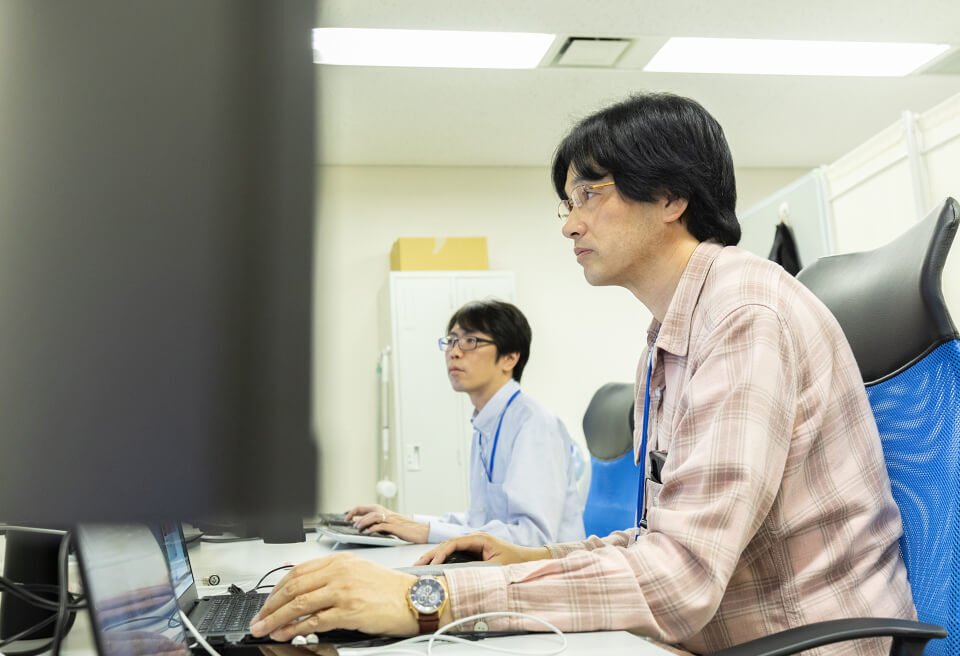
Remote monitoring for solar power plants refers to a system that allows centralized observation of equipment operations and site conditions through data collected from measurement devices, sensors, and cameras. This capability not only enables early detection and resolution of issues but also helps minimize their impact and reduce power generation and revenue losses.
This article provides a detailed overview of remote monitoring systems for solar power, explaining their benefits and the types of issues they can detect.
What Is a Solar Power Remote Monitoring System?
A solar power remote monitoring system allows operators to continuously monitor the operational status of a solar power plant from a distant location. Because solar farms are often situated in difficult-to-access areas, remote monitoring systems — which enable users to check plant conditions via a computer or smartphone — are essential.
This section explains why remote monitoring systems are necessary and introduces the monitoring services provided by Shizen Operations Inc.
Types of Remote Monitoring Systems
What kinds of remote monitoring are available for solar power plants? Below are examples based on the services offered by us.
Monitoring the Status of Grid-Connected Substations
Our remote monitoring systems track not only solar power plants but also the status of interconnected substations. We provide 365-day monitoring, enabling rapid response in the event of natural disasters or other operational issues.
Monitoring Power Conditioning Systems
We also monitor the power conditioning systems (PCS), which convert direct current generated by solar panels into alternating current. A PCS malfunction can reduce power output, cause sales losses, or in the worst case, lead to a power outage. Remote monitoring is essential for continually checking that PCS units are functioning properly.
String-Level Monitoring of Solar Modules
We also provide string-level monitoring. A string is a collection of solar modules (panels composed of solar cells) connected in series. By measuring data at the string level, we can perform relative comparisons and identify abnormal areas quickly.
Large-scale solar plants (mega-solar) can contain tens or hundreds of thousands of panels. It is vital to quickly identify which string contains a faulty or deteriorating panel based on signs of reduced output. By constantly tracking parameters such as the current for each string, we can promptly locate the affected panels.
Benefits of a Remote Monitoring System for Solar Power Plants
Remote monitoring systems provide alerts when sudden changes in power generation occur and allow operators to review daily output trends. This makes it possible to monitor operations anytime, anywhere, ensuring early detection of issues and swift recovery while minimizing revenue losses.
Because solar power plants are designed for long-term operation, remote monitoring systems are essential for minimizing losses due to downtime.
Key benefits include:
- Early detection and resolution of malfunctions or failures
- Minimization of the impact caused by issues
- Reduction of power generation and sales losses
Benefit 1. Early Detection and Resolution
Remote monitoring continuously tracks a plant’s operational status, allowing operators to detect anomalies immediately — even from a distance.
Without it, abnormalities may go unnoticed for an extended period. The system can issue alerts for abnormal conditions, such as a sudden drop in power generation, allowing for swift troubleshooting.
Benefit 2. Minimizing Impact and Sales Losses
Early detection through remote monitoring minimizes the impact of failures and subsequent power generation and sales losses. Without timely detection, a primary failure can lead to prolonged downtime or even secondary damages, such as a fire caused by a cable fault.
By enabling fast recovery, remote monitoring helps maintain both plant safety and operational efficiency, significantly enhancing overall reliability.
Examples of Issues Detectable Through Remote Monitoring
Typical failures detectable by remote monitoring systems include:
- Grid power outages
- Abnormal string current
- Communication failures
Grid Power Outages
Remote monitoring allows for the prompt detection of and response to failures caused by grid power outages.
At Shizen Operations, our systems can remotely restart power conditioning systems (PCS) when possible. When reconnection to the utility grid is required, we perform restoration after receiving approval or confirmation from the utility company. We also continuously monitor substations throughout the year, allowing for rapid troubleshooting of equipment issues.
Abnormal String Current
As previously mentioned, when a problem arises in the generation components such as panels or wiring, string-level monitoring allows operators to promptly identify the affected area in the vast site. This helps ensure a quick and precise recovery.
Communication Failures
Solar power plants rely heavily on communication networks in addition to electrical equipment, making them susceptible to communication failures. These failures can stem from various factors, including the NTT line, routers, data loggers, or PCS units. Because it is often difficult to identify the cause visually, specialized expertise is required to isolate the source of the failure, especially when PCS data becomes unavailable.
At Shizen Operations, communications engineers respond based on proprietary troubleshooting standards, enabling rapid root-cause identification and resolution.
Services Offered by the Shizen Operations Operation Center
Shizen Operations provides comprehensive operation & maintenance and asset management services for renewable energy power plants — including solar — as well as refurbishment and civil engineering work. In collaboration with our domestic and India-based operation centers, we perform continuous, year-round monitoring of all managed facilities.
In some solar plants, we conduct string-level monitoring, with a dedicated team supervising operations 365 days a year, including year-end and New Year holidays. Leveraging our extensive operational experience, our teams ensure the early detection and prompt resolution for various failures.
Conclusion
Remote monitoring is essential for detecting and responding to failures early and for minimizing lost revenue from downtime. In utility-scale solar power plants that operate over decades, daily remote monitoring and rapid recovery response are vital to business success. It is crucial to have monitoring frameworks in place that can rapidly restore not only electrical failures but also communication-related issues. We recommend implementing a comprehensive 365-day monitoring and recovery system.
Additionally, even if a fault is detected, reaching the affected site may be delayed due to overgrown vegetation, snow accumulation, or degraded access roads. Regular maintenance, including weeding, is vital for effective recovery operations.
At Shizen Operations, we provide a wide range of O&M services including remote monitoring, vegetation management, solar module cleaning, civil engineering works, and repowering. Drawing on our extensive experience, we offer operation and maintenance solutions designed to minimize generation loss and optimize your plant’s performance. Please feel free to contact us for consultation or service inquiries.